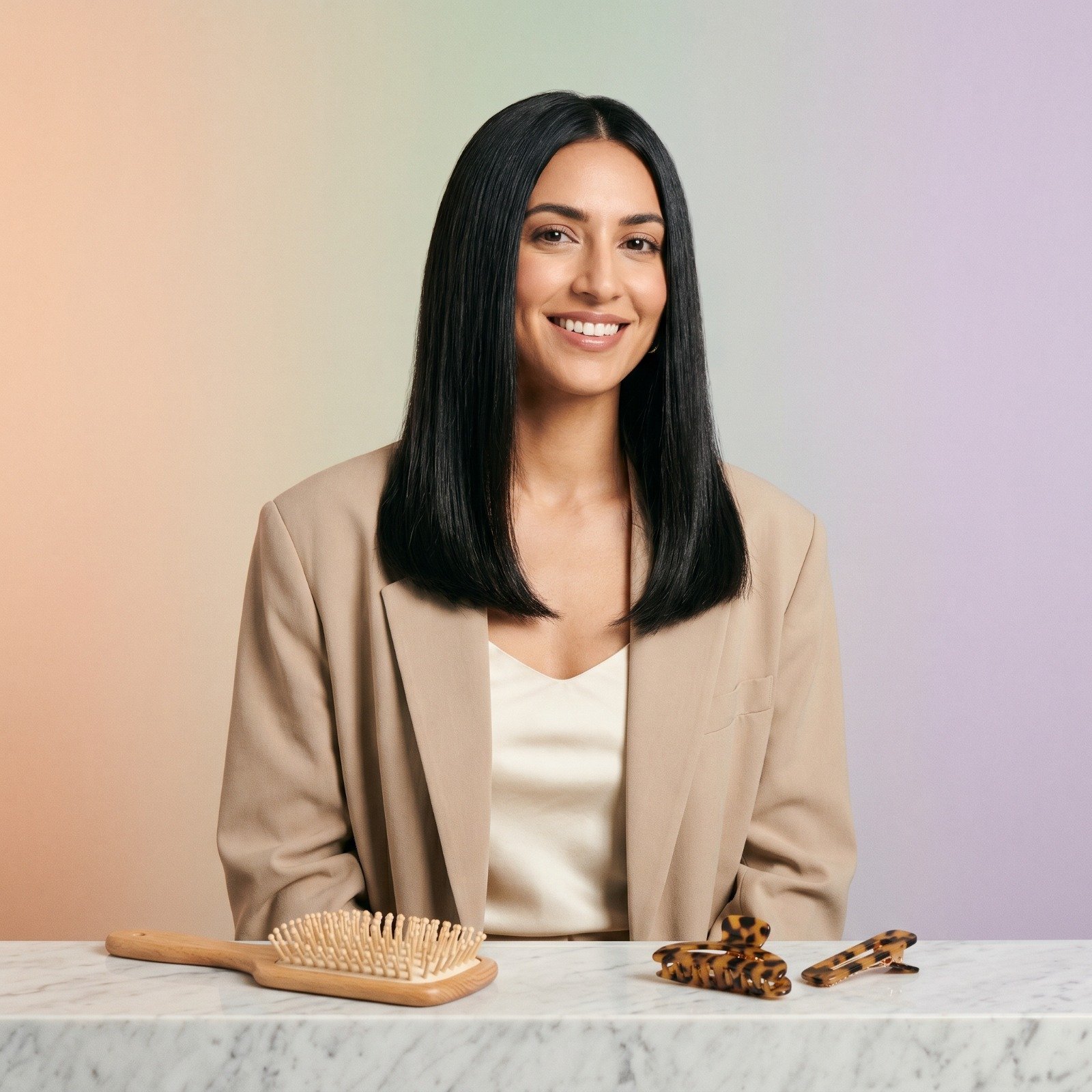
If you have a heart-shaped face, you already know the drill: a wider forehead, high cheekbones, and a chin that tapers to a point. The good news is that plenty of hairstyles work with that shape instead of against it. The right cut adds softness around the jaw, eases width at the forehead, and keeps your cheekbones as the focal point. Below you’ll find 25 styles, from short pixies to long layers, each paired with a quick reason it works and a simple, affordable way to try it at home.
1. Side-Swept Bangs for a Softer Forehead

Side-swept bangs are one of the easiest ways to soften a wider forehead. Instead of a straight blunt line, the fringe angles across your brow, breaking up width and drawing the eye diagonally rather than straight across.
This style works because it shifts focus away from the forehead and toward your cheekbones, which is exactly the balance a heart-shaped face wants.
At home, you can test this look before committing at the salon. Ask your stylist for a long, angled fringe you can sweep to either side, or grow out a blunt fringe and part it diagonally with a comb.
Blow-dry the fringe with a round brush, angling it away from your face as you dry. A small amount of light hairspray keeps the sweep in place through the day without looking stiff or heavy.
2. Long Layers Starting at the Cheekbones

Long layers that begin around the cheekbones add movement and width exactly where a heart-shaped face needs it. The layers flare out gently from the middle of your face down, which balances a narrower chin.
This cut works because it builds fullness below the cheekbones rather than at the crown, softening the taper toward your jaw.
At home, you can enhance this cut with a simple blow-dry technique. Dry your roots first, then use a round brush on the layers around your cheeks to add outward movement.
Ask your stylist to keep the layers long and soft rather than short and choppy, since gentle movement flatters this face shape more than heavy texture. This style suits straight and wavy hair alike and holds its shape well between salon visits.
3. Wavy Lob for Effortless Balance

A wavy lob sits right at or just below the collarbone, which is one of the most balanced lengths for a heart-shaped face. The waves add body right around the jaw, softening a pointed chin.
This length works because it’s long enough to add weight near the jawline but short enough to avoid overwhelming your frame.
At home, create waves with a curling wand or by braiding damp hair overnight and unraveling it in the morning. Either method adds the texture this cut wants.
Apply a small amount of texturizing spray to damp hair before waving for extra hold. This cut suits most hair textures and works well for both everyday wear and dressier occasions, since the waves can be brushed out softer or left more defined depending on the look you want.
4. Graduated Bob with Face-Framing Layers

A graduated bob angles slightly longer in the front and shorter in the back, with soft layers framing the face. This structure adds width near the jaw while keeping the back neat and manageable.
This cut works because the graduation builds fullness exactly at the point where a heart-shaped face tapers, creating a more balanced overall silhouette.
At home, style this cut by blow-drying with a round brush, curling the ends slightly inward toward your jaw. This small detail makes a big difference in how balanced the cut looks.
Ask your stylist to avoid a completely blunt back line, since soft graduation flatters this face shape more than a sharp, heavy edge. This bob suits straight and slightly wavy hair best and holds its shape well through regular wear.
5. Wispy Fringe Pixie Cut
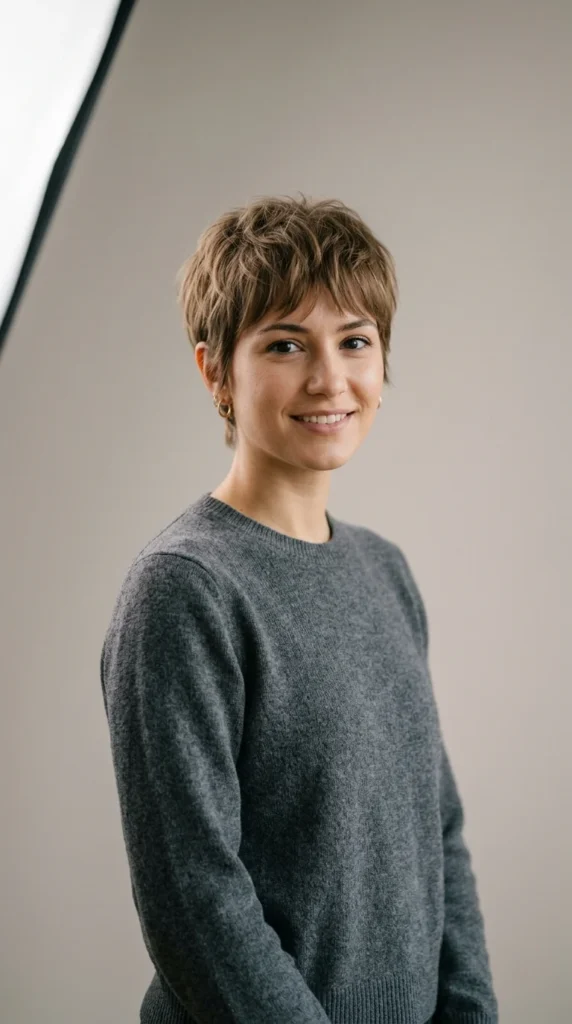
A pixie cut with wispy fringe proves that short hair can flatter a heart-shaped face too. The soft, feathered fringe breaks up forehead width, while the short length keeps focus on your cheekbones and eyes.
This cut works because the wispy texture avoids the heaviness of a blunt fringe, which can otherwise emphasize width rather than soften it.
At home, style the fringe with a small amount of texturizing paste worked through with your fingers rather than a brush. This keeps the piece-y, wispy look rather than a flat, combed one.
Ask your stylist to point-cut the fringe rather than cutting it in a straight line, since this technique creates the soft, wispy edge this style depends on. This cut suits fine to medium hair especially well and needs only a quick touch-up every few weeks to keep its shape.
6. Shoulder-Skimming Layered Cut
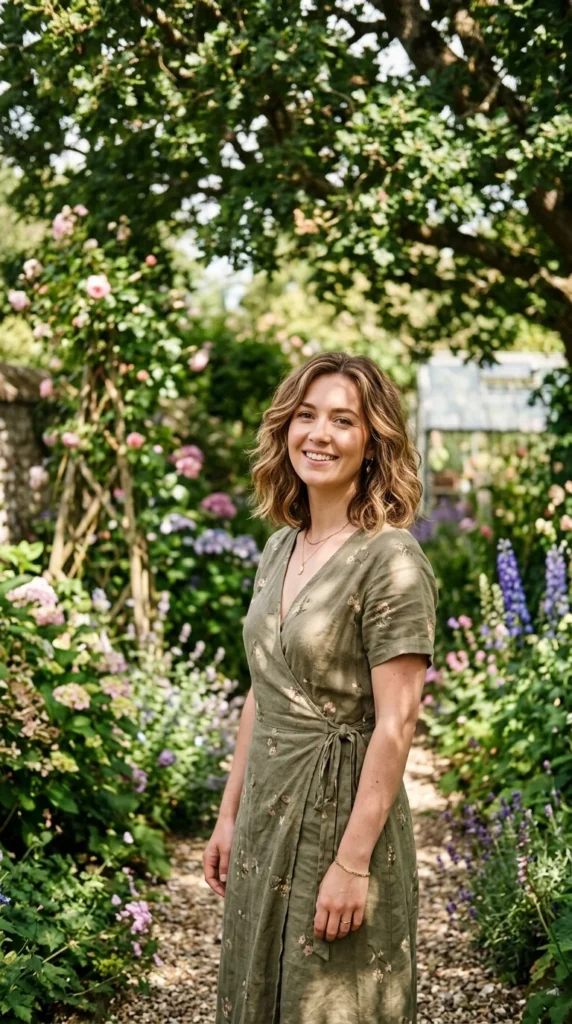
A shoulder-skimming cut lands at one of the most flattering lengths for a heart-shaped face. It’s long enough to add softness at the jaw without extending so far that it overwhelms a narrower chin.
This length works because it hits right where the face begins to taper, adding just enough weight to create balance without extra bulk.
At home, style this length with a light wave using a curling iron on the bottom two-thirds of your hair only. Leave the roots straight for a natural, effortless look rather than curling from the scalp down.
For a budget-friendly approach, a basic one-inch curling iron handles this technique well and works for several other styles on this list too.
Ask your stylist to add soft layers starting around the chin rather than higher up, since layers placed too high can add unwanted width near the forehead. This cut suits most hair types and holds its shape nicely between trims.
7. Deep Side Part for Width Balance

A deep side part is one of the simplest styling changes that makes a real difference for a heart-shaped face. Instead of a center part that draws a straight line down a wide forehead, a deep side part shifts hair unevenly, breaking up that width.
This works because the asymmetry pulls focus away from the forehead and creates a softer, more angled frame around your face.
At home, part your hair with a comb well to one side, roughly two-thirds across rather than a subtle shift. The deeper the part, the more noticeable the balancing effect.
8. Curtain Bangs for Soft Framing

Curtain bangs part down the middle and sweep to both sides, framing your face like a soft set of curtains. This style works well for a heart-shaped face because it adds volume at the temples while narrowing the visual width of the forehead.
This cut works because the two-sided fringe draws a gentle curve rather than a straight line, softening the angles of a wider brow.
At home, style curtain bangs by blow-drying them away from your face using a round brush, curling each side outward slightly at the ends. This creates the classic curtain shape.
Ask your stylist for bangs that hit around your cheekbones rather than shorter, since longer curtain bangs blend more naturally into the rest of your hair. This style suits most face shapes and hair textures, and it grows out gracefully compared to a blunt fringe.
9. Textured Bob with Beachy Waves

A textured bob with beachy waves adds casual movement right at the jawline, which softens a pointed chin and keeps the overall shape relaxed rather than sharp. The undone waves work better here than a sleek, smooth finish.
This cut works because the texture adds visual weight exactly where a heart-shaped face wants it, around the jaw and below.
At home, scrunch a sea salt spray into damp hair and let it air dry, or diffuse it on low heat for extra volume. This simple step creates the tousled texture this style depends on.
Avoid brushing this style smooth once it’s dry, since brushing removes the texture you just built. Use your fingers instead to separate any clumped pieces. This bob suits wavy and curly hair especially well, since the natural texture does most of the work.
10. Long Layers with Volume at the Jaw
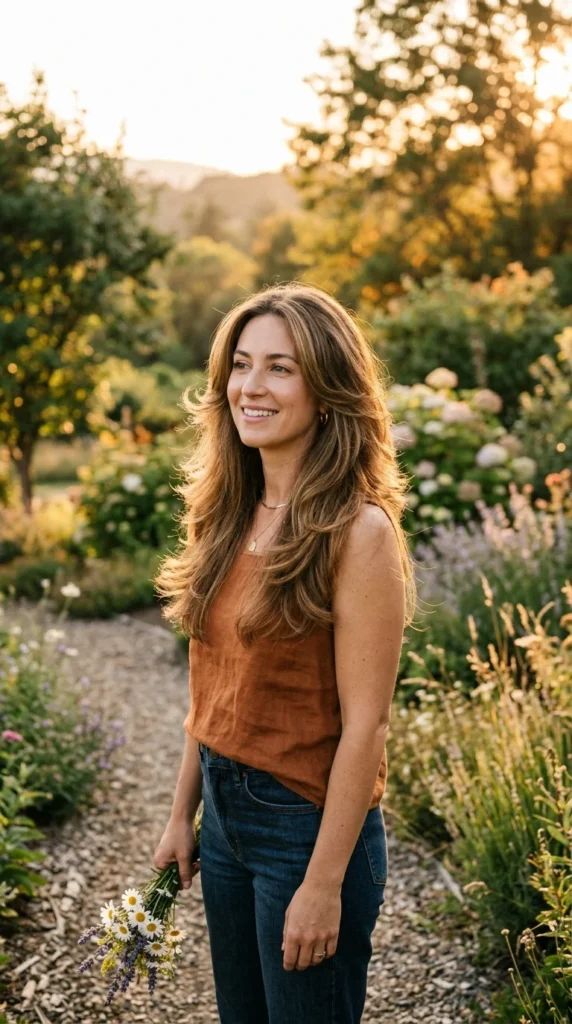
Long hair with volume concentrated at the jaw creates one of the most direct balancing effects for a heart-shaped face. Rather than volume at the crown, which can add unwanted height, this style focuses fullness lower down, right where your chin narrows.
This works because it visually widens the lower half of your face to match the width at your cheekbones and forehead.
At home, curl the sections of hair that fall near your jawline more than the rest, using a curling iron or wand. Leave the ends past your jaw looser or straighter for contrast.
11. Chin-Length Bob with Soft Ends
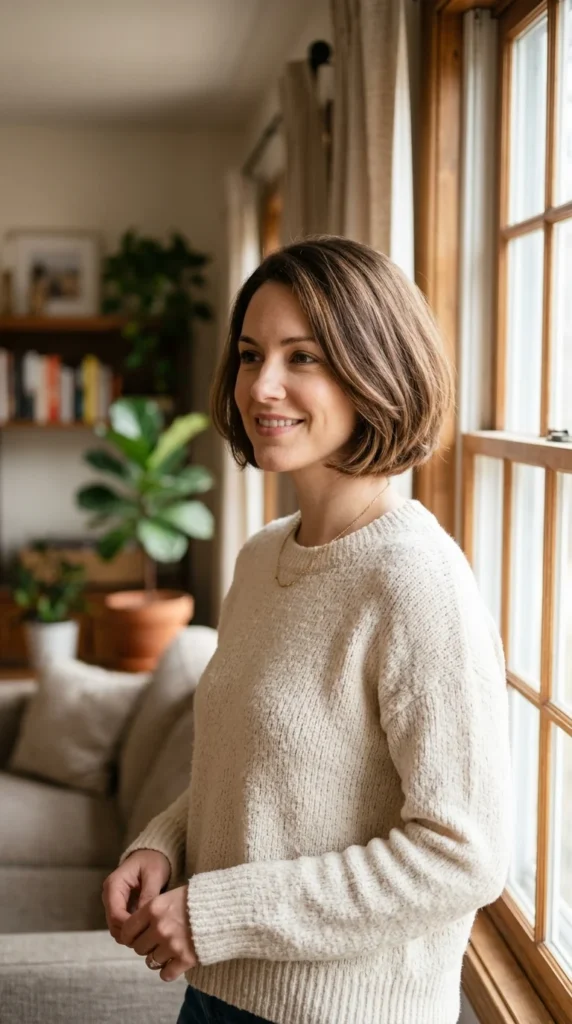
A chin-length bob with soft ends sits exactly at the point where a heart-shaped face needs the most support. Rounded, soft ends rather than a sharp blunt line add gentle width at the jaw without looking heavy.
This cut works because it fills out the narrowest part of your face shape, creating a more even outline from forehead to chin.
At home, style this bob with a round brush, curling the ends slightly inward toward your face. This small inward curl is what gives the cut its soft, rounded finish.
Ask your stylist to round the corners of the cut rather than leaving them sharp and blunt, since soft edges flatter a heart-shaped face more than hard lines. This bob suits straight to slightly wavy hair best and holds its shape well with only occasional touch-ups.
12. Center Part with Loose Waves

A center part paired with loose waves can work for a heart-shaped face, as long as there’s enough length and texture to balance the straight line down the middle. The waves soften what would otherwise be a very symmetrical, forehead-emphasizing part.
This works because the movement in the waves distracts from the center line, keeping the look soft rather than severe.
At home, part your hair evenly down the middle, then curl it in loose waves using a wand or overnight braids. Brush through gently once cool to blend the curls into soft waves.
For a budget-friendly approach, the overnight braid method costs nothing and protects your hair from heat at the same time.
This style works best on longer hair, since shorter lengths don’t have enough movement to offset the center part. If you’re unsure, try a center part only on days when your hair has natural wave or curl, and switch to a side part on straighter days.
13. Off-Center Part for Subtle Asymmetry

An off-center part splits the difference between a deep side part and a straight center part. It’s subtle, but it still breaks up forehead width just enough to soften the shape without looking dramatically different.
This works because even a small shift in the part line changes how light and shadow fall across your forehead, creating a gentler visual line.
At home, part your hair slightly to one side, just an inch or two off center, using a comb. This small adjustment is easy to maintain and barely changes your daily routine.
14. Soft Waves Below the Jawline

Soft waves that start below the jawline keep the top of your hair sleek while adding movement right where a heart-shaped face wants extra width. This creates a clean, balanced silhouette from root to end.
This works because the sleek top avoids adding bulk near the forehead, while the waves lower down fill out the narrower part of your face.
At home, straighten the top section of your hair, then curl only the lower two-thirds with a wand. Brush through the curls gently to soften them into natural-looking waves.
This technique works well on long or shoulder-length hair and suits both straight and naturally wavy textures. It’s a good option for special occasions, since the contrast between sleek roots and soft waves photographs well and holds its shape for several hours.
15. Layered Pixie with Micro Fringe

A layered pixie with a micro fringe keeps hair short while adding just enough softness at the brow to balance a heart-shaped face. The tiny fringe breaks up forehead width without adding bulk or weight.
This cut works because the short layers throughout add texture that draws attention to your eyes and cheekbones rather than your hairline.
At home, style this cut with a small amount of texturizing cream worked through damp hair with your fingers, then let it air dry or blow-dry with a diffuser for extra texture.
16. Voluminous Curls for Cheekbone Focus

Voluminous curls draw attention to your cheekbones, one of the strongest features on a heart-shaped face. Full, bouncy curls add width in the middle of your face rather than at the forehead or jaw, keeping the focus exactly where you want it.
This works because the curl pattern naturally balances your features by adding shape and movement around your strongest area.
At home, set your curls with a curling wand, alternating the direction of each curl for a more natural, less uniform look. Once cool, shake out the curls gently with your fingers rather than brushing them, which can loosen the shape too much.
This look suits long to medium hair and works well for both everyday wear and special events, since the volume holds its shape through several hours without much touch-up needed.
17. Low Bun with Face-Framing Pieces

A low bun with face-framing pieces pulls most of your hair back while leaving a few soft strands loose around your face. Those loose pieces do the work of softening your forehead and jawline, even though the rest of your hair is pulled away.
This works because the framing pieces create a gentle curve around your face, breaking up the straighter lines that a fully pulled-back style can create.
At home, gather your hair into a low bun at the nape of your neck, then pull two thin sections loose near your temples. Curl these pieces lightly for extra softness.
18. Half-Up Style with Loose Tendrils
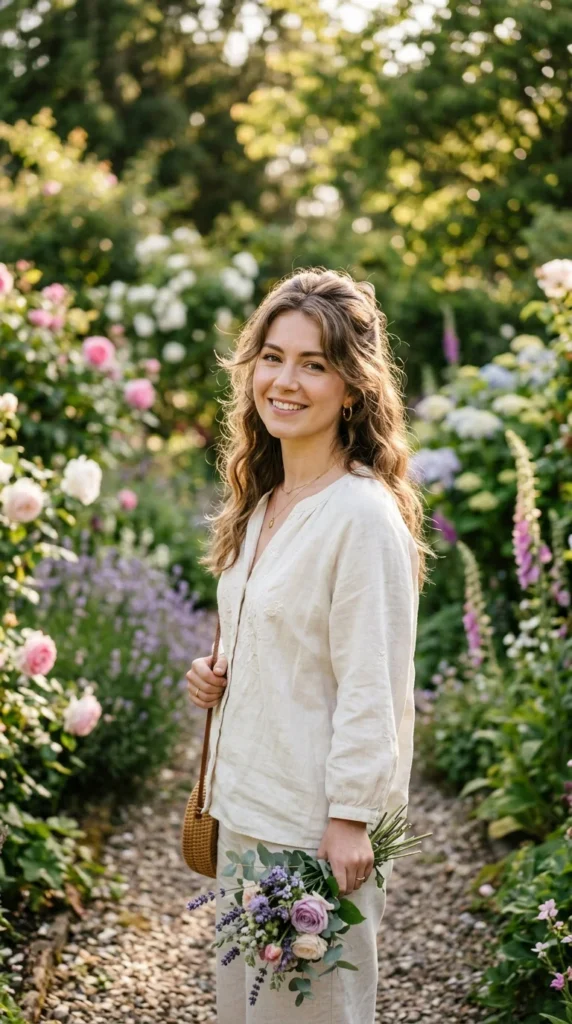
A half-up style with loose tendrils pulls the top section of your hair back while leaving a few soft pieces down near your face. This combination keeps hair out of your eyes while still softening your forehead with a bit of loose framing.
This works because the tendrils create movement right around the widest part of a heart-shaped face, easing the visual weight of a fully pulled-back look.
At home, gather the top section of your hair, twist or braid it, and secure with a small clip. Pull two thin pieces loose near your temples and curl them lightly.
19. Blunt Bob with Soft Waves

A blunt bob softened with waves proves that even a straight-edge cut can work for a heart-shaped face, as long as you add texture. The waves break up the sharp line of the cut, keeping the overall look soft rather than severe.
This works because the movement in the waves adds width right at the jaw, which balances the sharper, more geometric shape of a blunt cut.
At home, curl your bob in loose waves using a wand, then brush through gently to soften the curl pattern. Avoid tight, defined curls, since they can look too structured against a blunt line.
Ask your stylist to keep the blunt line at or slightly below your jaw rather than shorter, since extra length gives the waves more room to add balancing width. This style suits straight to wavy hair and works well for both casual and dressier days.
20. Long Hair with Subtle Layers and Side Part

Long hair with subtle layers and a side part combines two balancing techniques into one simple, low-maintenance style. The side part reduces forehead width, while the soft layers add movement without cutting too much length.
This works because the two techniques address both ends of a heart-shaped face at once, the forehead and the taper toward the chin.
At home, part your hair deeply to one side and blow-dry with a round brush, focusing extra volume around your jaw and below. This keeps the layers looking soft rather than choppy.
Ask your stylist for layers that start around your chin rather than higher up, since layers placed too high can add unwanted width near your forehead. This style suits most hair textures and lengths, and it’s a solid low-effort option for daily wear.
21. Textured Crop with Side-Swept Fringe
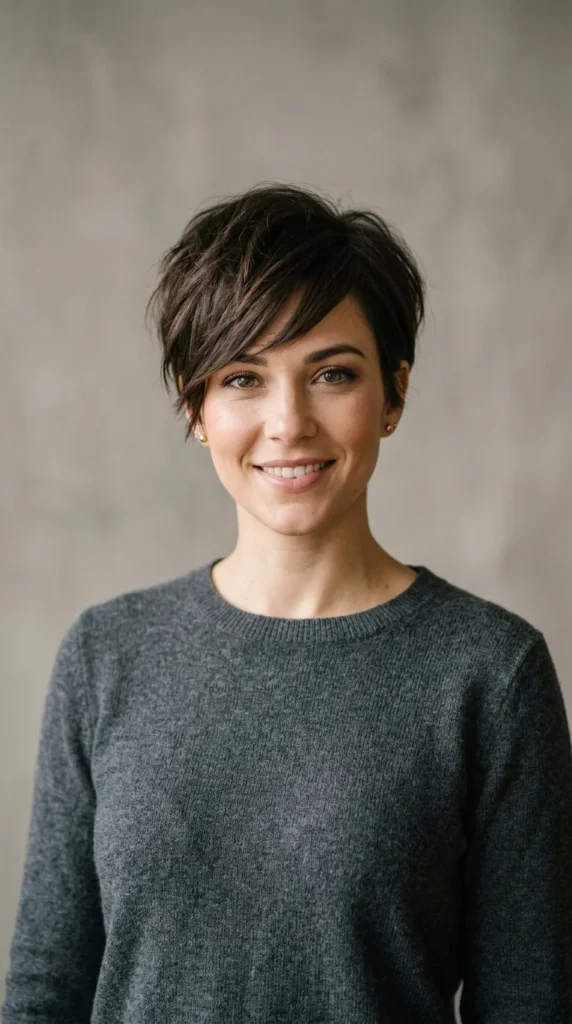
A textured crop with side-swept fringe combines a short, easy-care cut with a fringe angled to soften your forehead. The texture throughout adds interest without adding bulk near the crown.
This works because the angled fringe breaks up width at the brow, while the short length overall keeps focus on your cheekbones and eyes.
At home, style this cut with a small amount of texturizing paste, working it through damp hair with your fingers and sweeping the fringe to one side as it dries.
Ask your stylist to keep the crop slightly longer on top for versatility, since this gives you room to adjust the fringe direction depending on your mood or the day’s plans. This cut suits fine to thick hair and needs a trim every four to six weeks to maintain its shape.
22. Romantic Updo with Soft Face-Framing Strands
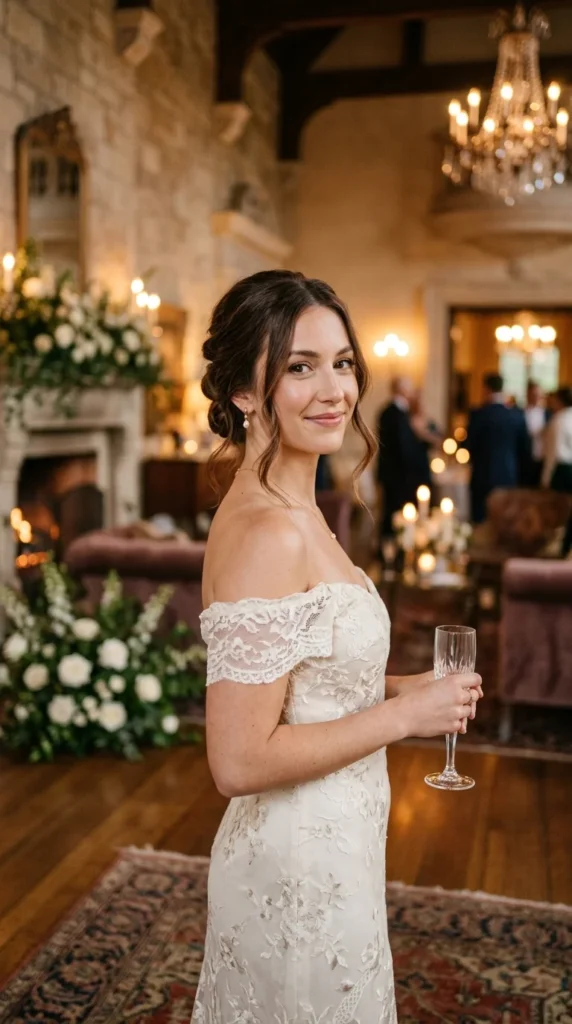
A romantic updo with soft face-framing strands works well for special occasions when you want hair off your face but still want the balancing effect of a few loose pieces. The strands soften your forehead and jaw even while the rest of your hair is styled up.
This works because the loose pieces create a curved frame around your face, offsetting the more structured lines of an updo.
At home, twist or pin your hair up loosely rather than pulling it tightly, then curl two or three strands near your temples and let them fall naturally.
23. Shag Cut with Layers Around the Jaw

A shag cut with layers around the jaw brings a bit of edge to the balancing techniques on this list. The choppy layers add texture and width right at the jawline, which softens a pointed chin while keeping a modern, lived-in feel.
This works because the layered texture concentrates fullness exactly where a heart-shaped face tapers, without adding bulk higher up near the forehead.
At home, style this cut with a texturizing spray scrunched into damp hair, then air dry or diffuse for extra volume and movement.
Ask your stylist to concentrate the choppiest layers around your jaw and below rather than throughout your whole head, since this keeps the balancing effect focused where it matters most. This cut suits medium to long hair and fits a casual, everyday lifestyle well.
24. Wavy Shoulder-Length Cut with Side Part

A wavy shoulder-length cut paired with a side part combines three balancing elements at once: length that hits at the jaw, waves that add width below the cheekbones, and a part that eases forehead width. Together, they create one of the most reliably flattering combinations for a heart-shaped face.
This works because each element addresses a different part of the face shape, so the overall effect feels complete rather than partial.
At home, part your hair deeply to one side, then curl it in loose waves using a wand or overnight braids.
25. Sleek Low Ponytail with Face-Framing Layers

A sleek low ponytail with face-framing layers pulls most of your hair back into a neat, polished style while leaving a few face-framing pieces loose. This gives you the practicality of a ponytail with the balancing softness a heart-shaped face benefits from.
This works because the framing layers add curved width near your jaw, offsetting the sleek, pulled-back shape of the ponytail itself.
At home, smooth your hair back with a comb and a small amount of styling gel, then gather it into a low ponytail at the nape of your neck. Pull two thin layers loose near your temples.
Conclusion
A heart-shaped face works with far more hairstyles than most people expect, from short pixies with soft fringe to long layers that add gentle width at the jaw. The common thread across every style on this list is balance: softening the forehead, adding fullness where your face tapers, and keeping your cheekbones as the natural focal point. Most of these looks come together with tools you already own, like a round brush, a curling wand, or just a comb and a new part. Try a few of these styles at home, see which balance feels most natural to you, and bring your favorites to your next salon visit for a cut that flatters your face shape from every angle.